


Kopron production: excellence Made in Italy, let’s discover what makes it so special
Home » Kopron production: excellence Made in Italy, let’s discover what makes it so special
All Kopron made products are covered by certification of quality
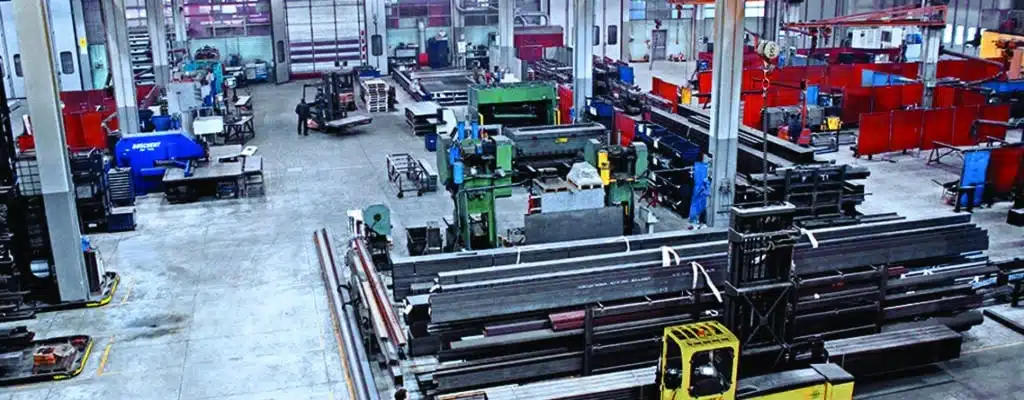
Kopron, have been present for over 30 years both in local and international markets with logistic solutions for Industrial, residential and sports applications. Headquarters in Gorgonzola not far from Milan, are where most part of production is carried out with core business products like warehouses and dock levelers. Residential/industrial doors are produced down South at the Molfetta production pole near Bari.
Kopron with the support of international certification partners like Rina Services have been able to reach top level management standards according to strict CEE regulations, guaranteeing quality in production processes and giving consumers the chance to base their choice on objective parameters. Quality Management System UNI EN ISO 9001:2008 obtained by Kopron is a fundamental achievement, the evidence of the importance of this certification is that about 80 countries around the world have adopted it.
All Kopron products carry ‘CE’ marking and are also D.M 14.01.2008 certified (infrastructure Ministerial Decree 14.01.2008) for steel transformation. Only firms with welding equipment of highest quality, and licensed welders can perform steel work. Kopron facilities which spread over an area of 25,000 square meters, host Kopron Engineering which develop customized products, the production area, as well as Kopron Service for after sales support.
Come primo riferimento, nel 2026 il costo può partire indicativamente da 90-120 €/m² per configurazioni più semplici, arrivare a 120-250 €/m² per capannoni industriali completi e superare 300 €/m² per soluzioni personalizzate o con particolari esigenze di coibentazione.
Non sempre. Per strutture realmente temporanee possono essere previsti regimi autorizzativi semplificati. Se invece il capannone è destinato a un utilizzo stabile, può essere necessario il permesso di costruire. La semplice possibilità di smontarlo non determina automaticamente l’esenzione: il titolo edilizio va verificato in base al progetto e alla normativa locale.
Non sempre. A seconda della struttura e del terreno, l’ancoraggio può avvenire su pavimentazione industriale esistente, oppure richiedere plinti in calcestruzzo, cordoli/travi di fondazione o platee. La soluzione viene definita in fase di progettazione in base ai carichi, alle caratteristiche del sito e ai calcoli strutturali.
Mr. Diego Vergani, who has been the Production Manager for the past twenty years said: ‘we are a force able to produce over 8000 tons of metal carpentry. In all these years we have reached highest quality standards, and customer satisfaction is an evidence of this’.